Tree Removal or Pruning? How to Decide in New Jersey
Not every problem needs removal. Here’s the framework arborists use to decide, and how to read a quote critically.
Read More
Timing changes the result of a pruning job more than most homeowners realise. Here’s the best window for New Jersey trees, season by season.
Timing changes the result of a pruning job more than most homeowners realise. The same cut, made on the same branch, on the same tree, produces a different outcome depending on the month. That’s not a small effect either. Get the timing right and the wound seals cleanly within a season. Get it wrong and you’ve opened the tree to decay at the worst possible moment. Knowing when to prune trees in New Jersey is mostly about understanding what the tree is doing at each point in the year, and the state is small enough that the answer is fairly consistent from Bergen County to Warren County, with elevation shifting the dates a week or two either way. There’s one important exception running through all of this, and it’s worth stating up front: dead, cracked and hazardous limbs come off whenever you find them. Safety doesn’t have a season.
For most species in New Jersey, the stretch from late January through March is the ideal time for structural pruning. Three things line up at once. The tree is dormant, so removing wood doesn’t cost it energy it’s currently using. The leaves are gone, so the entire branch structure is visible and a climber can see exactly which limbs are crossing, weak or badly attached.
And the cuts sit for only a short time before spring growth begins, which is when the tree starts sealing them. Cold weather also means fewer active fungal spores and insects looking for an entry point. If you’re planning significant work on a large tree, this is the window worth waiting for.
“The same cut, made on the same branch, on the same tree, produces a different outcome depending on the month. Get the timing right and the wound seals cleanly within a season.
Once sap is moving and the tree is pushing new leaves, it’s working hard, and heavy pruning at that point competes with growth the tree has already committed energy to. Some species also bleed noticeably from spring cuts, which looks alarming even when it isn’t usually harmful. Light corrective work and clearance are fine. Taking a substantial portion of the canopy isn’t.
There’s one useful thing spring is good for: it’s when you can see which limbs failed to leaf out, which tells you exactly what died over winter. Note those, and either take them out during the summer or add them to next winter’s list depending on where they sit.
Summer isn’t the structural window, but it’s genuinely useful for two specific jobs. Deadwood removal is easier now than at any other time, because a dead limb is obvious against a fully leafed canopy and nearly invisible in February. If your goal is taking out what’s already dead, summer is the practical choice.
Clearance work also fits here. Limbs on the roof, in the gutters, over the driveway or blocking a sight line don’t wait for a season. The other advantage is that summer is when you can actually see how much shade the tree casts and where it’s crowding, which makes it a good time to plan the following winter’s work. If the tree in question is looking worse than that, check removal or pruning before scheduling.
Autumn feels like the natural time to tidy the yard, and for trees it’s the worst choice available. Fungal spores are at their peak concentration in fall, which means open cuts are exposed to the highest infection pressure of the year. The tree is also shutting down for dormancy rather than growing, so wound response is slow and the cuts stay open through the entire winter.
On top of that, pruning can encourage a flush of new growth that won’t harden off before the first freeze. The tidy instinct is understandable, but the tree is better served by waiting eight weeks. Rake the leaves, and put the pruning on the calendar for February. If you want the full menu of what a crew does, that’s laid out under tree trimming and pruning and the broader tree services we cover.
The most common timing questions we get from homeowners planning tree work in New Jersey.
February for most species. The tree is dormant, the structure is fully visible without leaves, and the cuts have only a short wait before spring growth starts sealing them.
It’s the worst window of the year. Fungal spores peak, wound response is slow and the cuts stay open all winter. Waiting until late winter costs you nothing and is much better for the tree.
By a week or two. Higher ground in the western counties stays dormant slightly longer, which widens the late winter window a little. It doesn’t change the ranking of the seasons.
Whenever you notice them. A limb that’s already failing isn’t waiting for the right season, and deadwood removal doesn’t carry the same seasonal risk as structural cuts.
Fruit trees follow their own schedule tied to flowering and fruiting, which varies by type. Worth asking about specifically, because the general shade tree rule doesn’t map cleanly onto them.
Every two to three years is reasonable for most established trees, more often for young ones being trained. A tree on a cycle rarely needs major work, which is where the savings are.
More on tree work in New Jersey from the Alfa Tree Service blog.
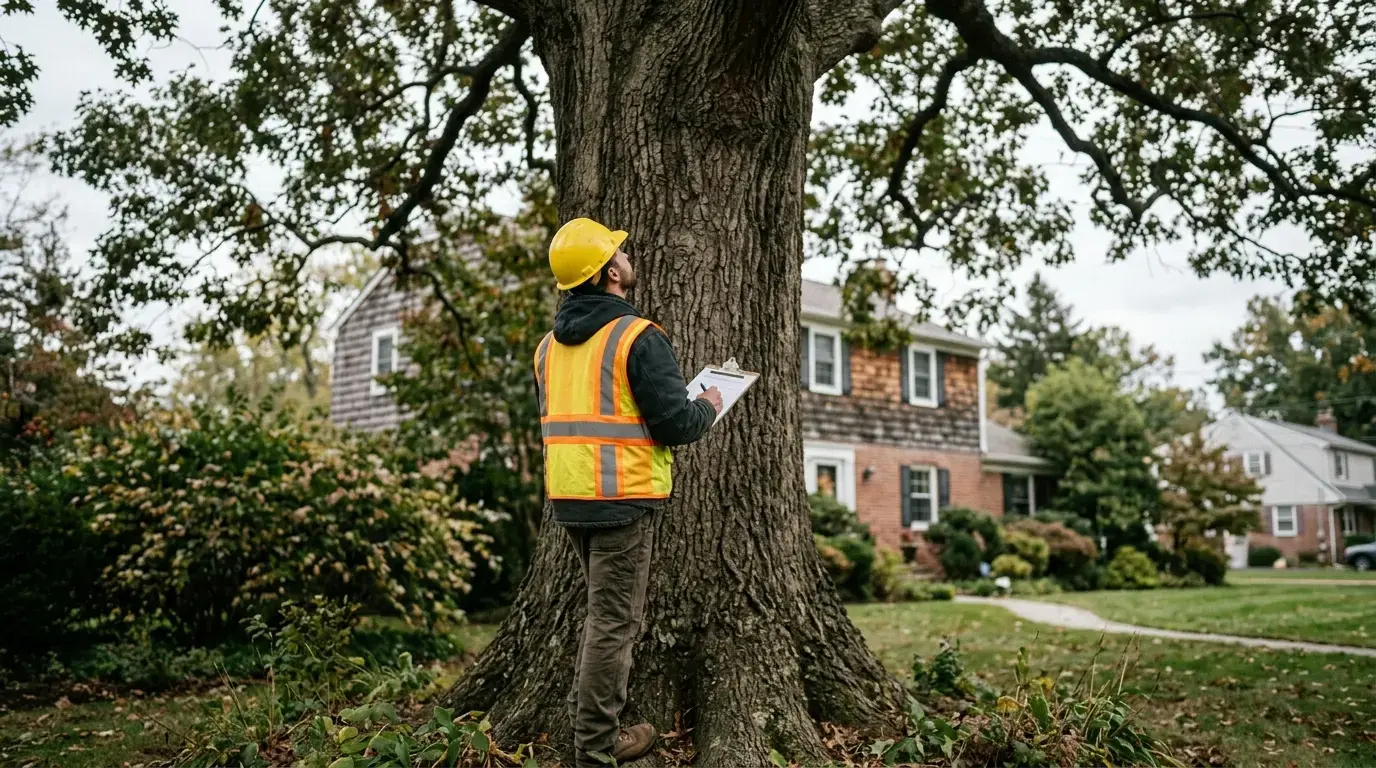 Decision Guide
Not every problem needs removal. Here’s the framework arborists use to decide, and how to read a quote critically.
Read More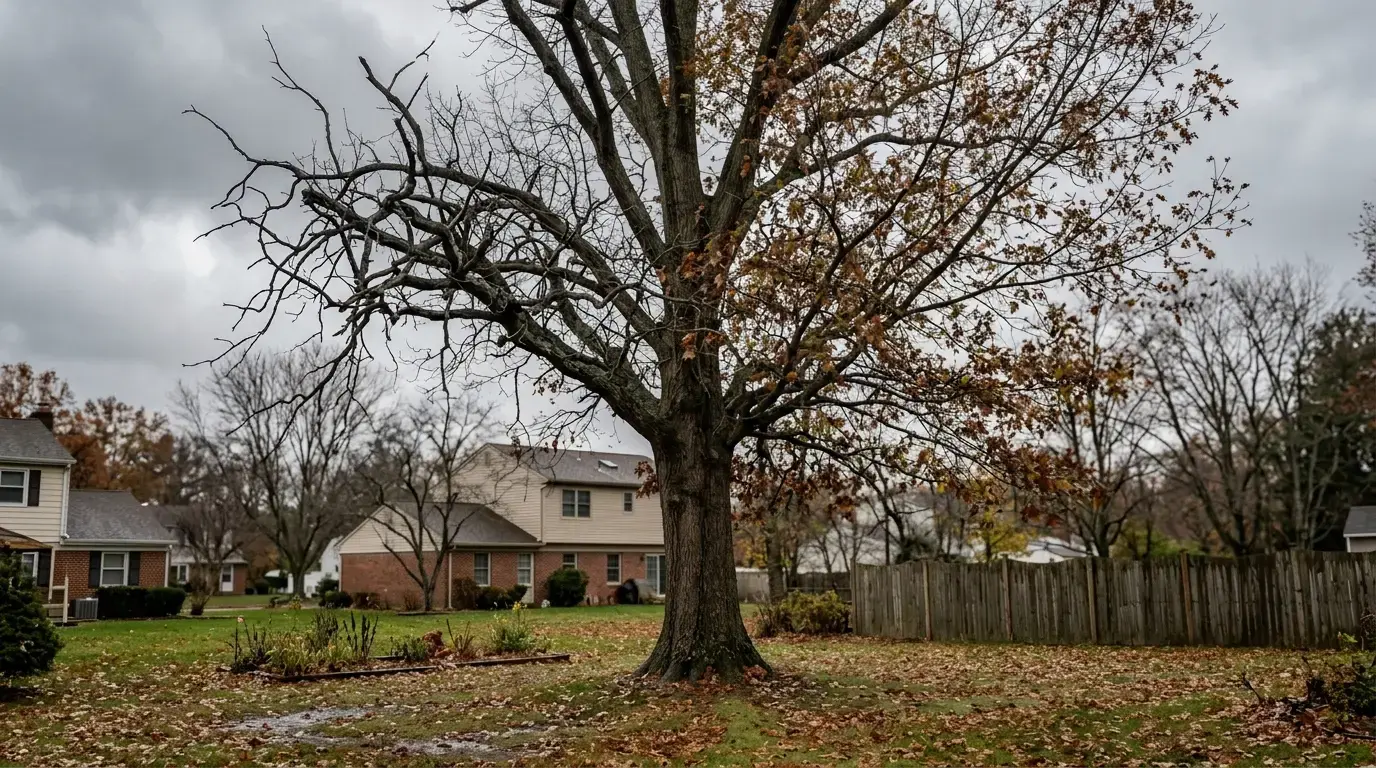 Diagnosis
A tree tells you it’s dying before it goes. Here’s what to check from canopy to roots in about ten minutes.
Read More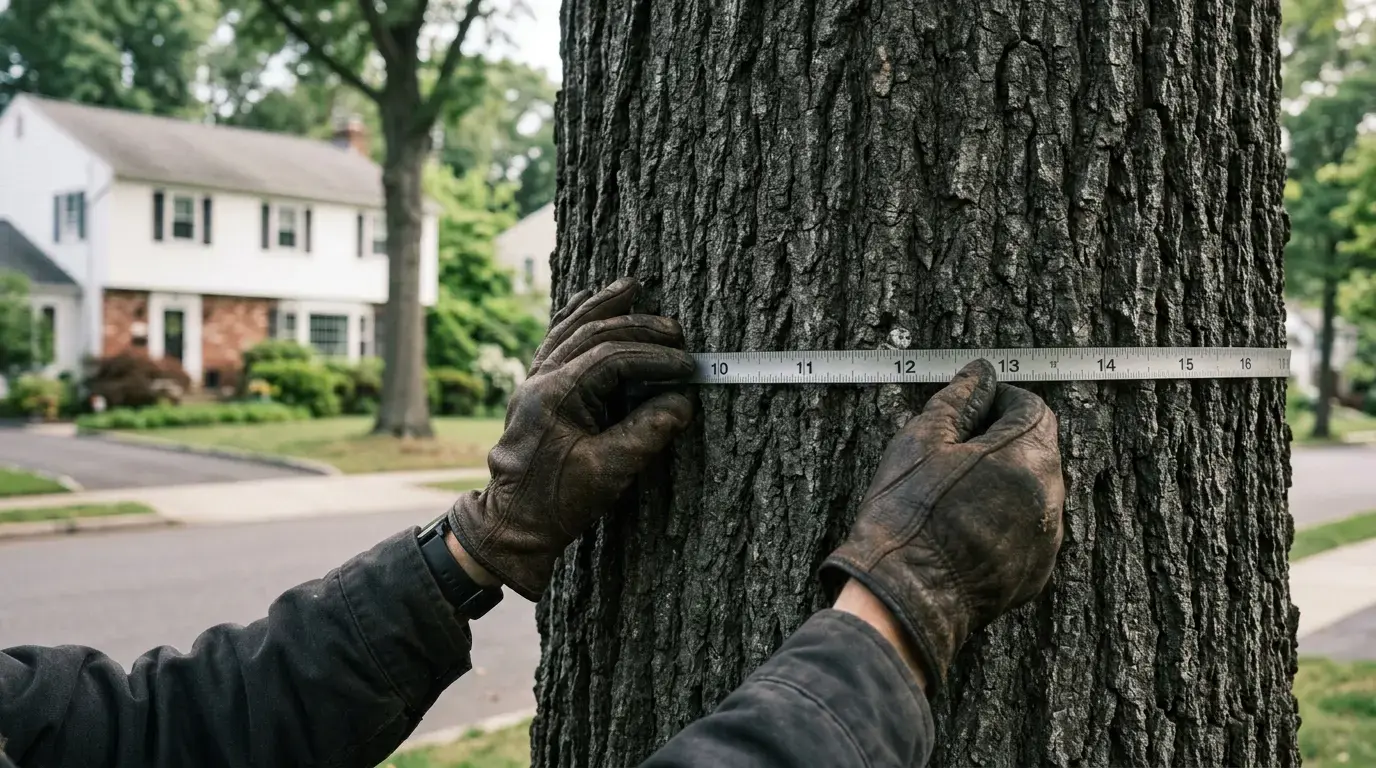 Permits
Rules change town by town in New Jersey. Here’s what typically triggers a permit and how to check for your address.
Read MoreLate winter fills up fast. Get on the schedule now and the on-site estimate costs nothing either way.